
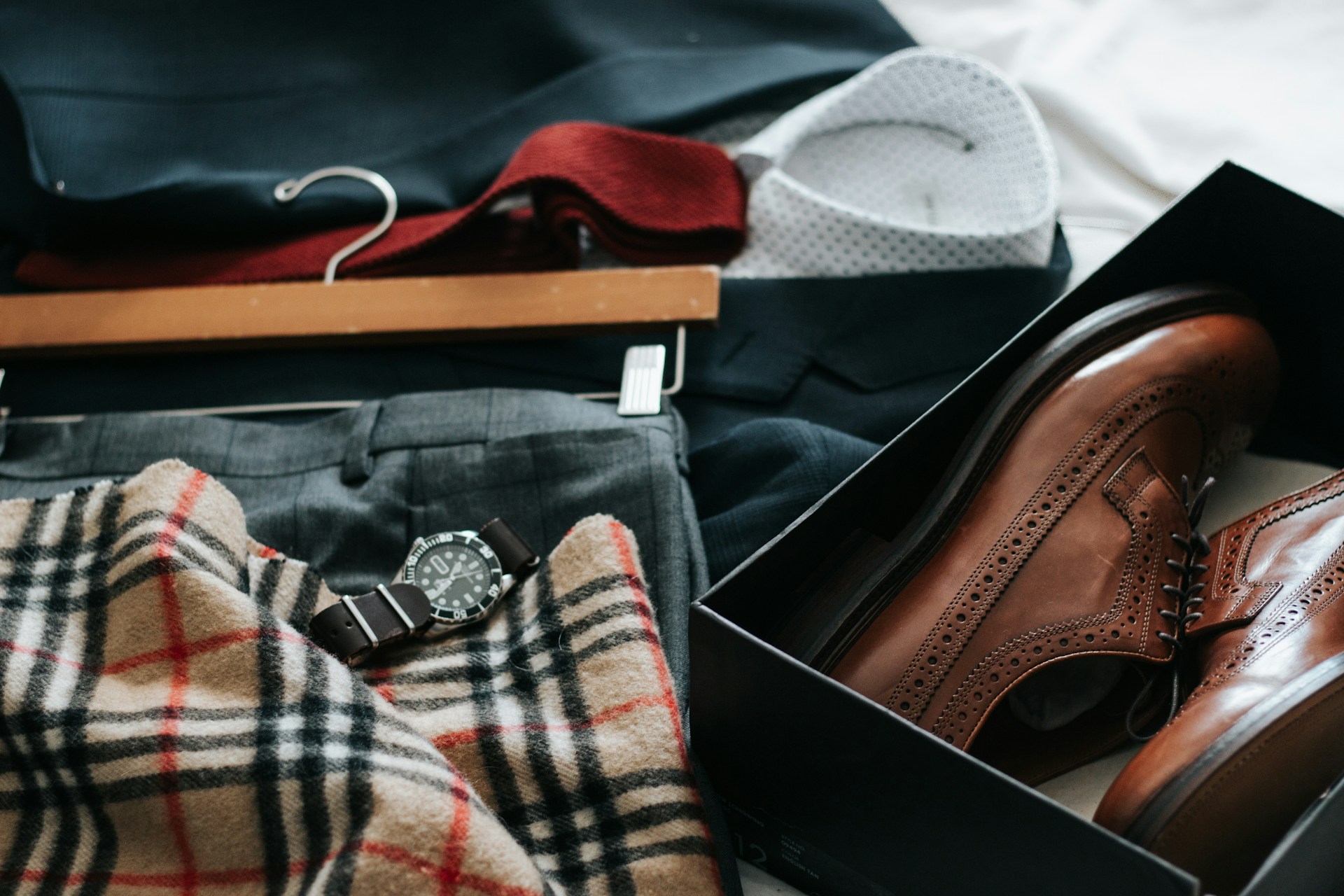
The Evolution of Fashion and Apparel: From Traditional to Trendy
Fashion and apparel have always been an integral part of human culture, reflecting social, economic, and political trends. Over the years, fashion has evolved from traditional clothing styles to trendy and innovative designs that cater to a diverse range of tastes and preferences.
Historically, clothing was primarily used for protection and modesty, with little emphasis on aesthetics. However, as societies evolved and trade routes expanded, people began to place more importance on style and fashion. In ancient civilizations such as Egypt, Greece, and Rome, clothing was used to denote social status and wealth, with elaborate garments reserved for the elite.
As the world entered the Middle Ages, fashion became more elaborate and ornate, with fabrics such as silk and velvet becoming popular among the nobility. The Renaissance period saw a resurgence of interest in classical styles, with artists and designers drawing inspiration from ancient Greek and Roman clothing.
The Industrial Revolution marked a turning point in the history of fashion, as mass production allowed for the widespread availability of clothing. The invention of the sewing machine and the development of new fabrics such as cotton and wool revolutionized the industry, making fashion more accessible to the masses.
In the 20th century, fashion underwent rapid changes as designers such as Coco Chanel, Christian Dior, and Yves Saint Laurent revolutionized the industry with their innovative designs. The rise of ready-to-wear clothing and the democratization of fashion through magazines and television further accelerated the pace of change, making fashion more dynamic and diverse than ever before.
Today, fashion and apparel continue to evolve at a rapid pace, with trends coming and going in the blink of an eye. From streetwear to athleisure, designers are constantly pushing the boundaries of creativity and innovation, creating new and exciting styles that capture the zeitgeist.
One of the key drivers of change in the fashion industry is technology, with advancements in materials, manufacturing processes, and digital platforms transforming the way clothes are designed, produced, and marketed. From 3D printing to virtual fitting rooms, technology is reshaping the fashion landscape, making it more sustainable, efficient, and inclusive.
Sustainability is another major trend in the fashion industry, with consumers becoming increasingly conscious of the environmental and social impact of their clothing choices. From eco-friendly fabrics to ethical labor practices, brands are under pressure to adopt more sustainable practices and transparent supply chains.
In conclusion, fashion and apparel are not just about clothing; they are a reflection of our society, culture, and values. From traditional to trendy, fashion has come a long way, constantly reinventing itself to stay relevant and exciting. As we look to the future, one thing is clear: the only constant in fashion is change.